Ophthalmic Technician
In 2018 I took a position as Ophthalmic Technician at Chelsea & Westminster Hospital in their Eye Clinic. In the last two years I have performed:
- Visual fields using Humphrey 500i Field Analyser (HFA). (approx. 300 eyes/month)
- Optical Coherence Tomography (OCT) scans using the OptoVue RTVue 100 (approx. 600 visits/month; 3000 scans/month).
- Fundus Auto-Florescence Photography (FAF) using the Heidelberg Spectralis.
- Fluorescein Angiography (FA) using the Heidelberg Spectralis.
- Intraocular Pressure (IOP) using the iCare hand-held tonometer.
- Also: Autorefraction/Keratometry (Topcon KR-8100PA), Visual Acuity (Thomson Test Chart system), Ishihara Colour Vision Testing, B-Scan Ultrasound for Retinal Detachment & Drusen, Relative Afferent Pupillary Defect Test, Ansler Test.
- I am authorised to administer the following prescribed eye drops via single-use minims: Phenylepherine, Proymetacaine and Tropicamide
In the Infotech Section, you can find some of the software and IT solutions I have created for the clinic.
I have created competency training programs for Visual Fields & OCT and am developing other competencies for all the other tests and systems used in the clinic.
There is an unbroken record of weekly calibration checks by me on instruments that require such, including the OCTs, Autorefractor and Goldman tonometers.
I look after much of the IT equipment in the clinic, particularly those instruments that operate under computer control, but also the stand-alone desktop systems. The hospital’s IT providers granted me administrative privileges to install and maintain Clinic-specific software on the desktops including ReVue OCT viewing and analysis, B-Scan acquisition, storage and viewing, Spectralis fundus camera remote access, Zeiss EasyConnect and Thomson Test Chart. I installed the PC upgrades for the RTVue OCT scanners and networked the HFAs to allow them to share a common database of results.
COVID-19
Breath Guards
On the afternoon of the 17th March, 2020 I was asked by the hospital’s lead consultant ophthalmologist to provide slit-lamp ‘breath-guards’ to help protect doctors and patients from cross-infection with COVID-19. This was a recommendation from the College of Ophthalmologists and the Ophthalmic Lead had seen examples online of efforts to implement this with acetate sheets (usually A4 overhead projector acetates).
Using only materials to-hand and my own tools I designed and fabricated, from discarded perspex, breath-guards for the nine slit-lamps of the Eye and Paediatrics Clinics – three different models from two manufacturers – and deployed the last of them by Friday morning. The guards are more substantial than the online acetate sheet versions and provide a larger areas of protection than the A4 self-made versions or the few ‘universal’ species available online, extending 3-5 cm above the patient-doctor eye-line. They also cost the clinic nothing more than a few hours of my time (much of that outside clinic hours).
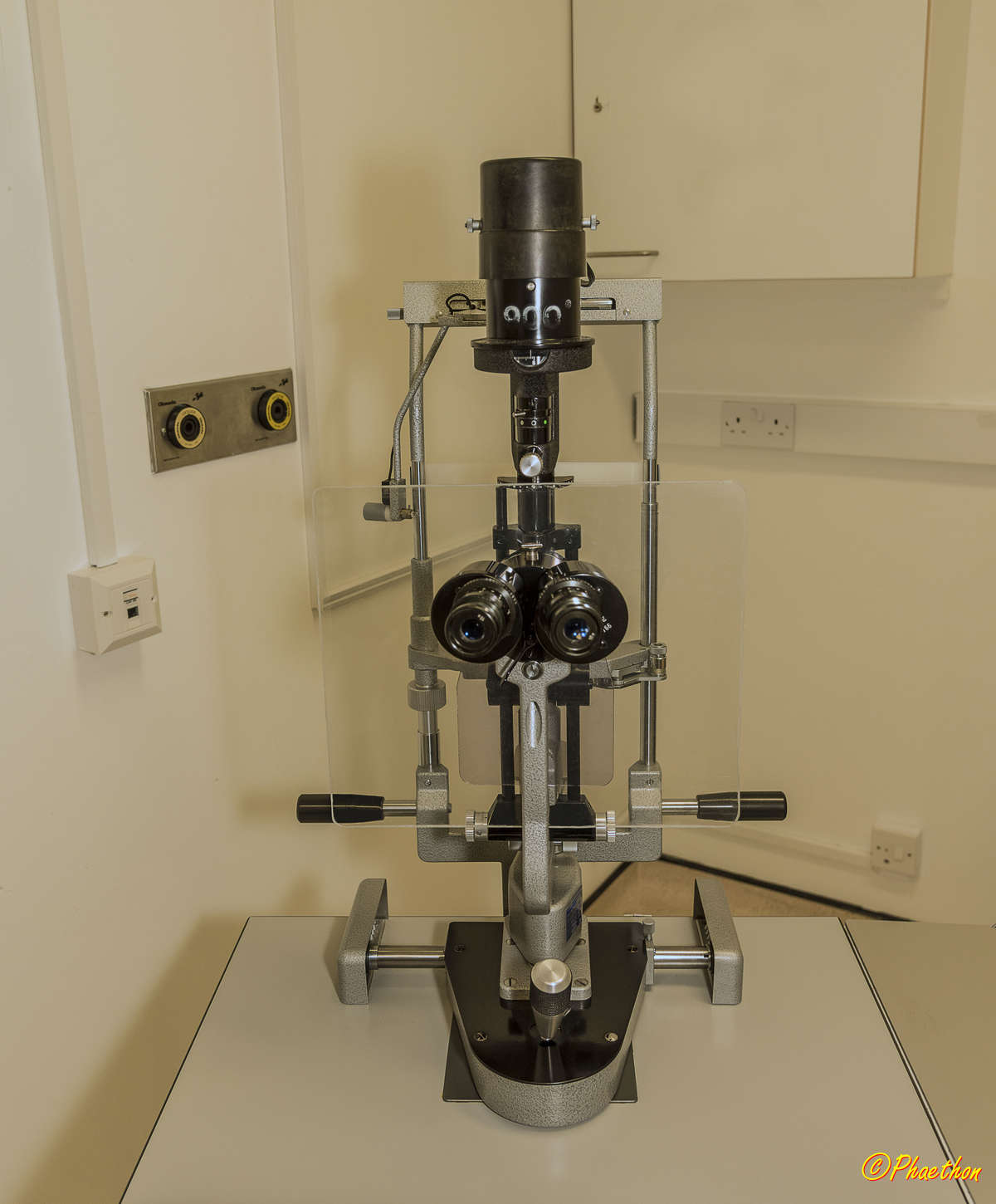
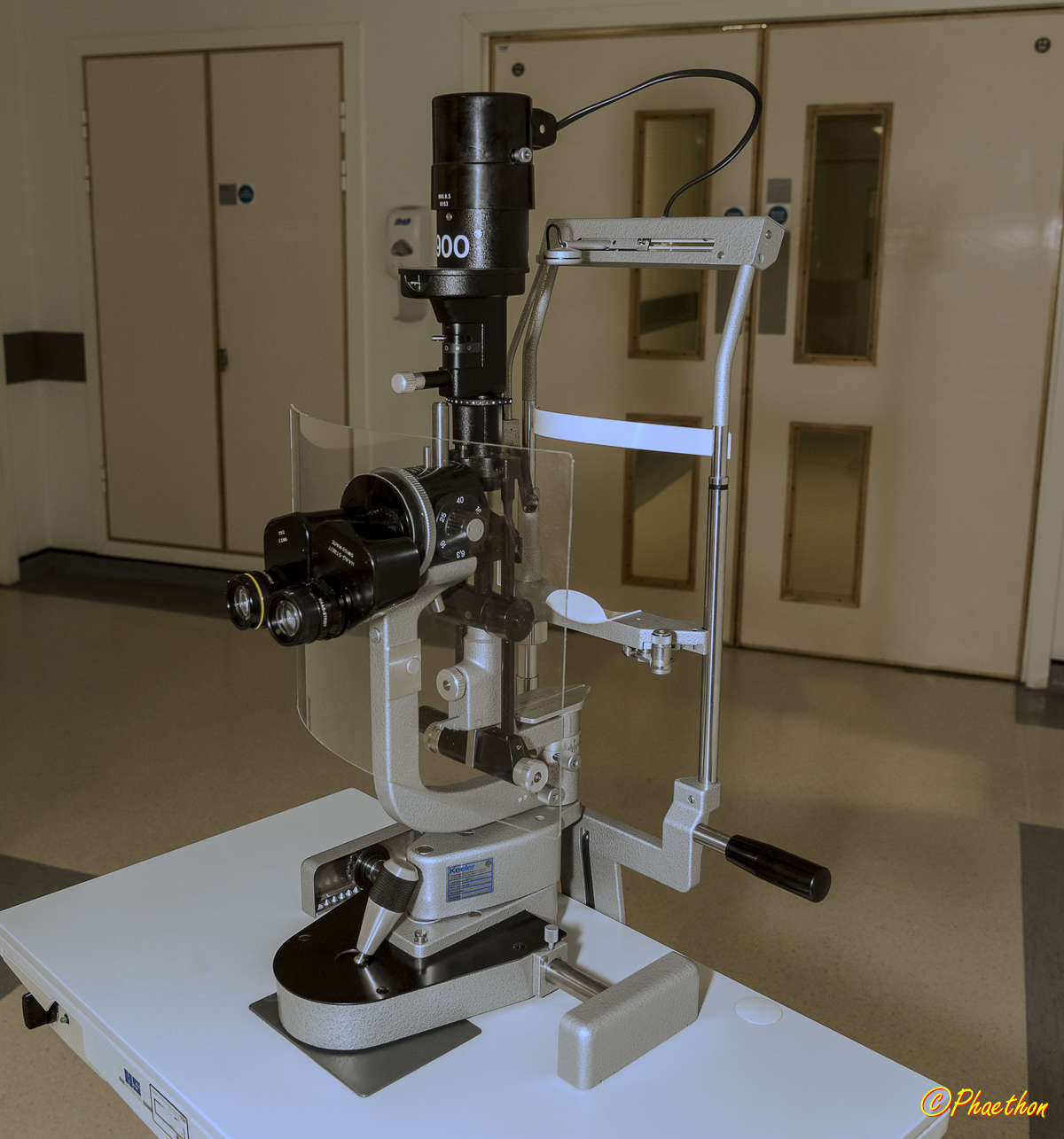
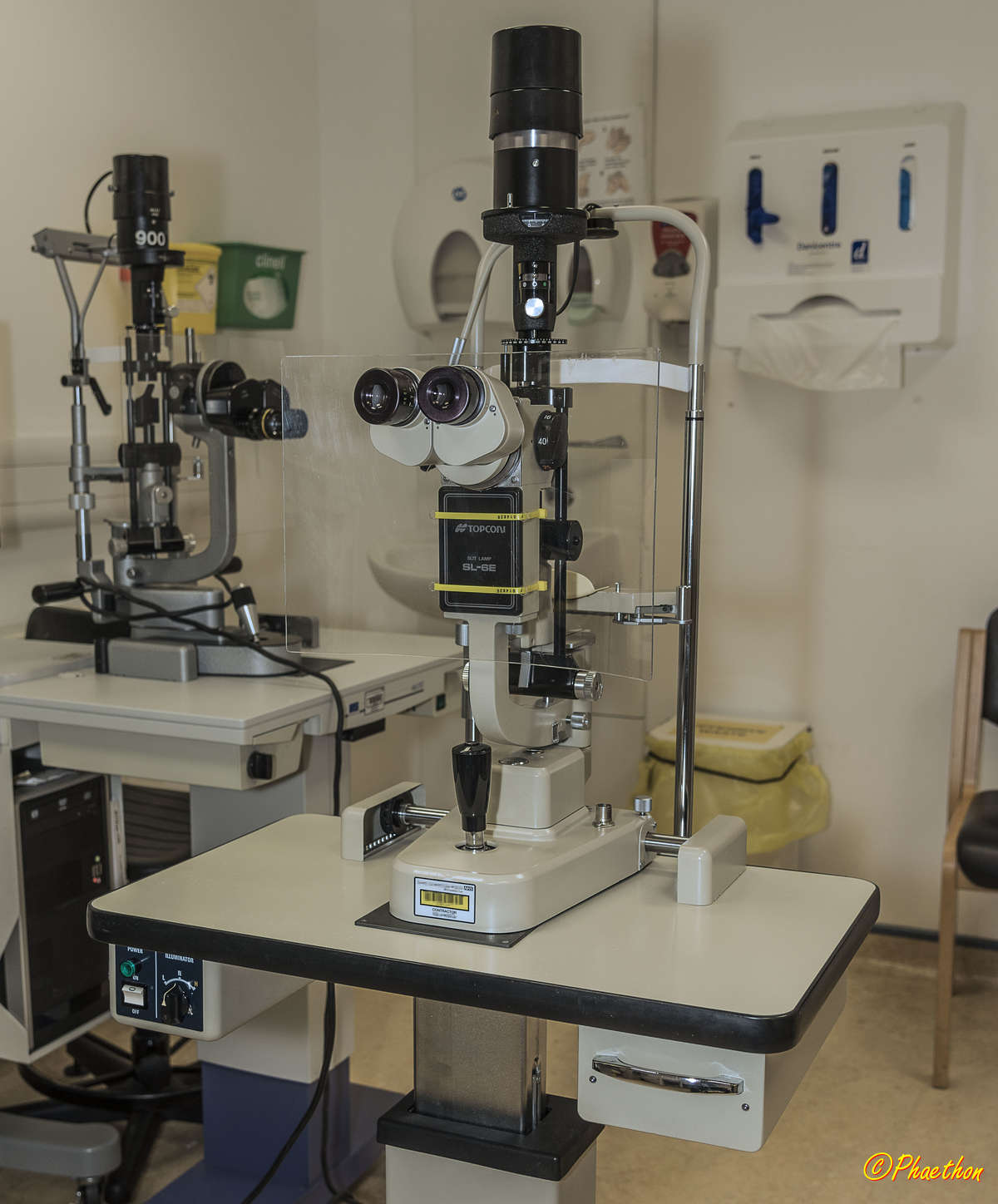
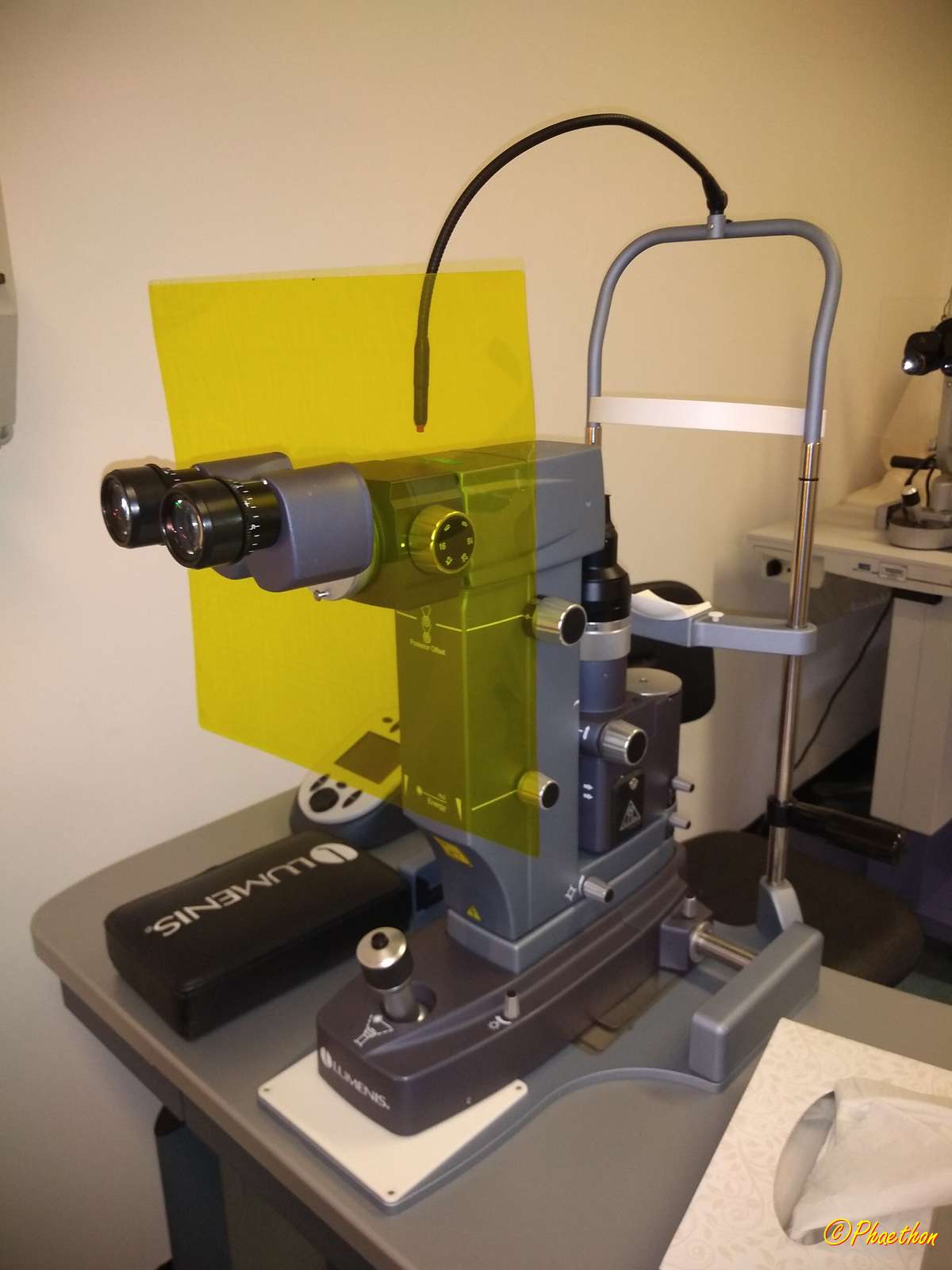
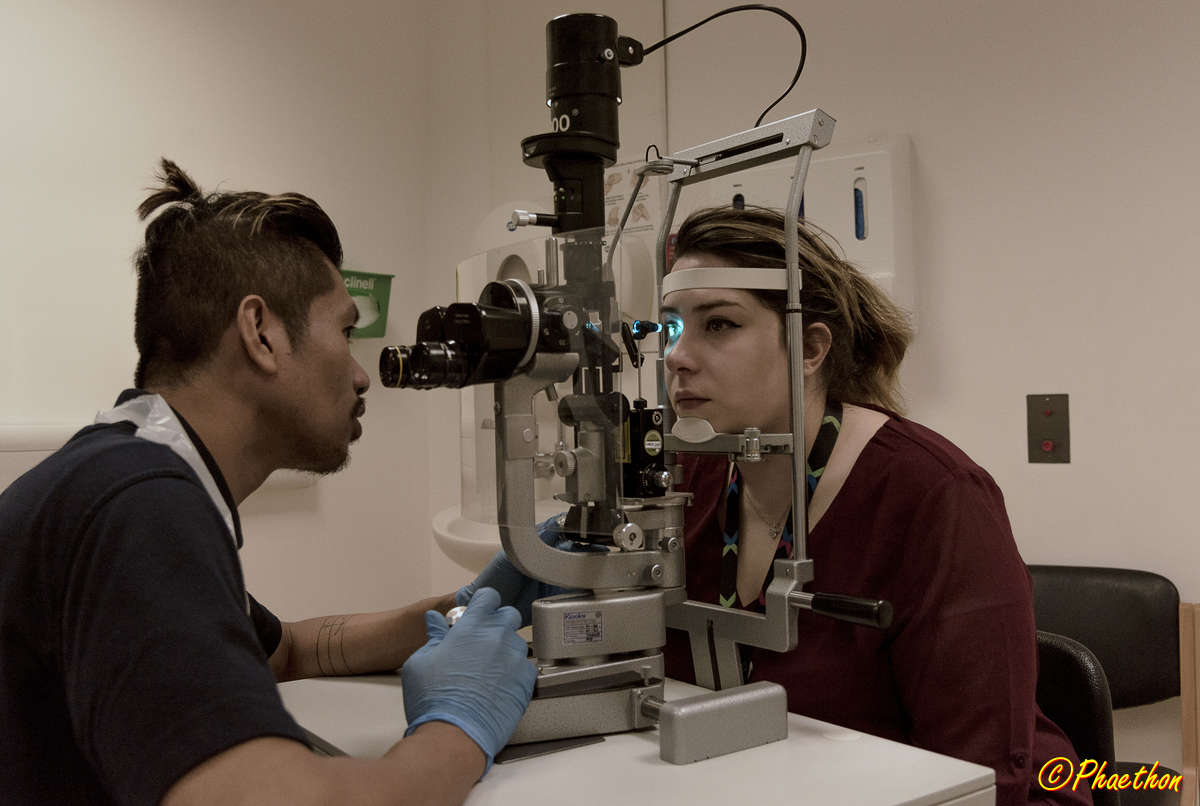
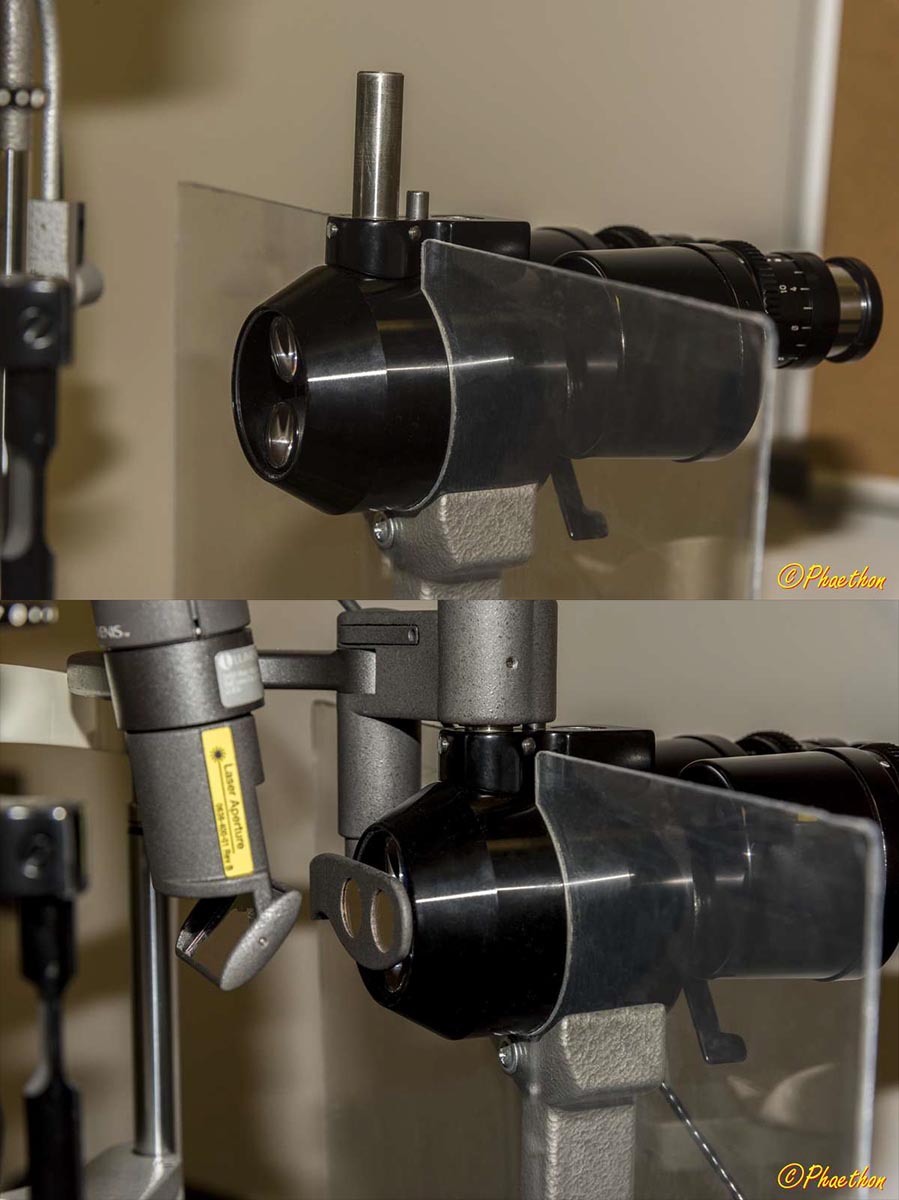
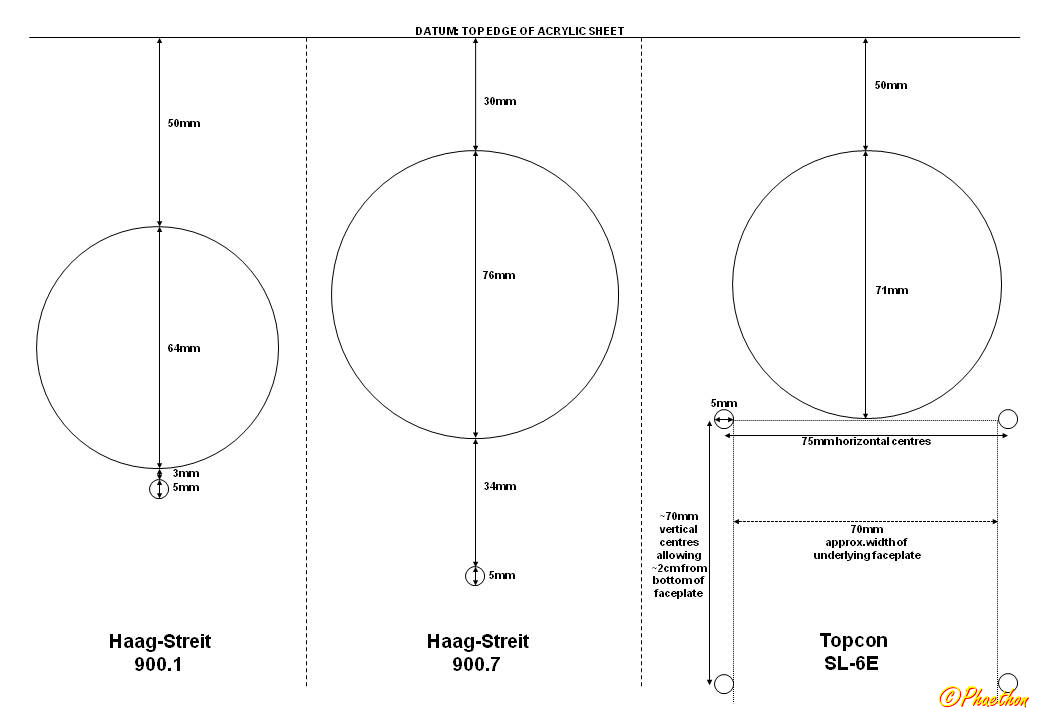
Breath-Guards Made In-House from Available Materials.
Full-Face Visors
The Clinic’s Nurse Practitioner who carries out regular AMD injection clinics asked for extra protection during procedures involving elderly patients who are classed as vulnerable to COVID-19 as well as potential carriers. Using an old LogMAR eye chart (1 mm polypropylene sheet) and, for prototyping purposes, some surplus A4 photographic gels I created a simple-to-construct basic face shield. We’re awaiting delivery of some 240 micron clear acetate sheet to make more transparent versions.
The headband is made from one strip of 1mm polypropylene, 20 mm wide and 650 mm long. This is secured into a loop at the back in the prototype with Supaclips or small bulldog clips, but can be secured at a fixed size for a specific wearer with surgical tape or glue. The face shield loop is 400 mm long and is secured to the headband at two points approximately over the ears – the exact points determine the clearance at the front for the nose and spectacles to be worn under the face plate. Again these points can be secured with clips or, if fixed for a particular individual, with tape or glue. Finally the face shield, made from appropriate grade acetate, is attached to the face shield loop at three points, again with clips, tape or glue.
To be clear, this design and the materials suggested are to provide a basic physical barrier against direct airborne transmission and not for protection against chemicals, mechanical shrapnel or other significant impacts.
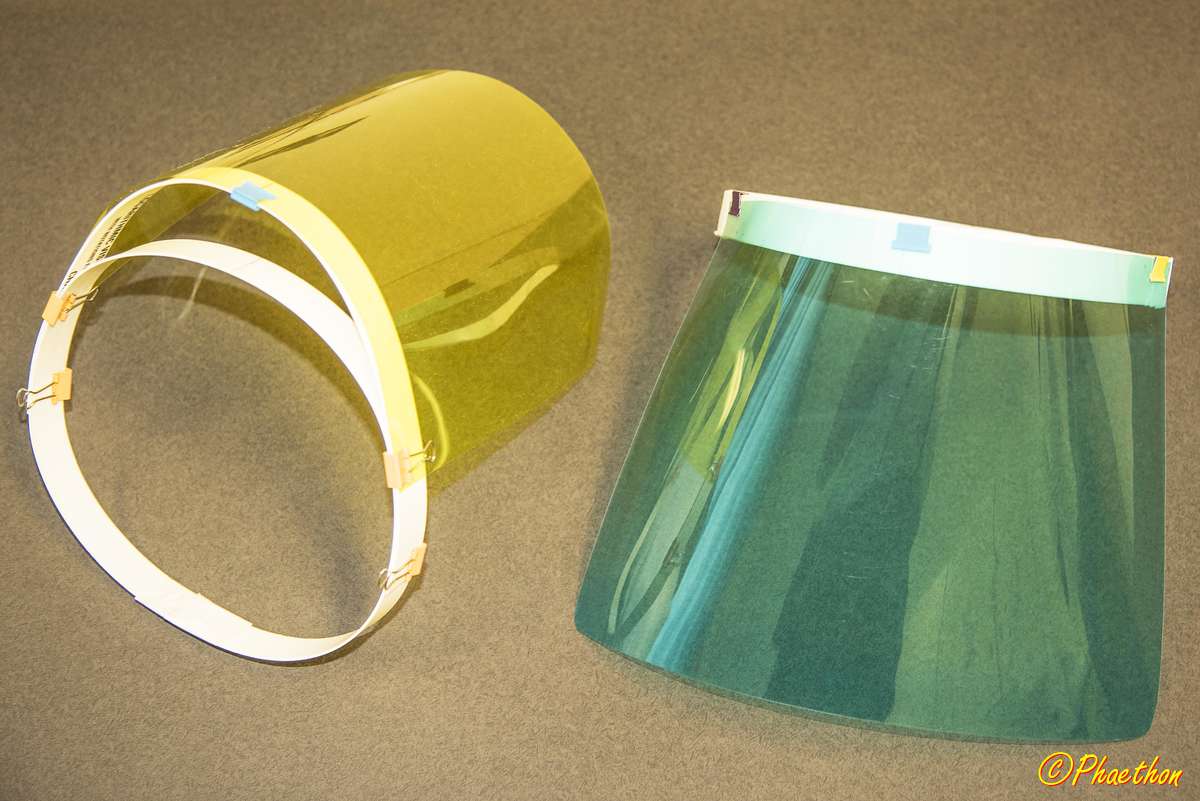
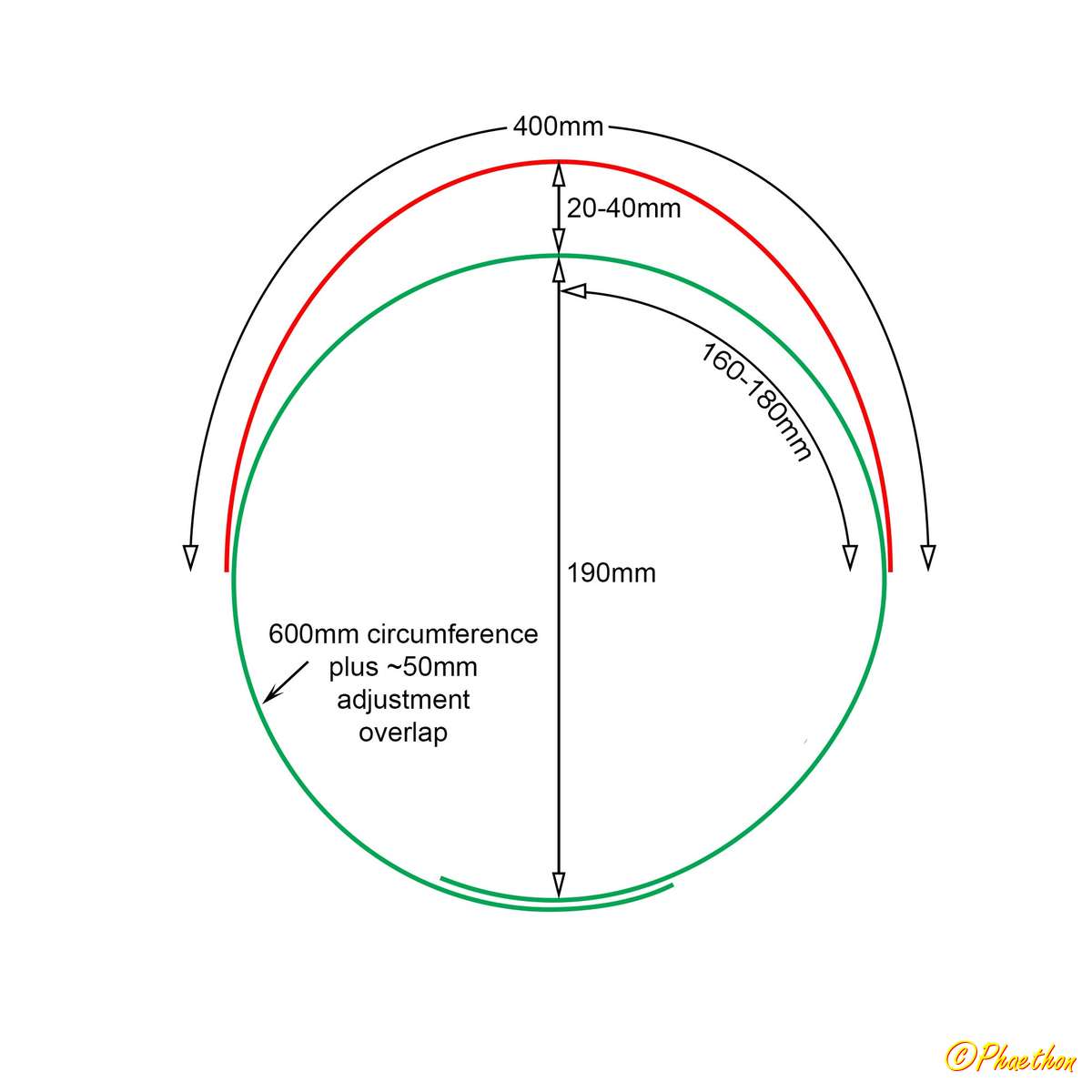
Full-Face Visors for Ocular Injection Procedures. Coloured acetate was used in these prototypes to make them more visible for photography.
Ultra Violet Sanitization
I am currently involved in several projects with two senior doctors to develop devices to sanitize various ophthalmic equipments between uses, particularly against Coronavirus. These include a UV sanitizer for the Humphrey Field Analyser, a small UV box for sanitizing ophthalmic lenses, including the notoriously difficult to clean gonioscopy lenses, and larger boxes to sanitize other hand-help equipment (indirect ophthalmoscopes, masks, eye patches etc.)